
About
The Indian handicrafts through the ages have fascinated the world by its creativity, aesthetics and exquisite craftsmanship.
As a highly decentralized activity, handicrafts of India present a rich cultural heritage and shining example of using local resources, skills and initiatives. India’s handicrafts are almost inexhaustible with infinite varieties which have been refined during course of changing history.
Baba Saheb Ambedkar Hastshilp Vikas Yojana (AHVY)
It is a model project of the office of Development Commissioner Handicraft, Ministry of Textile, Government of India for self sustain development of handicrafts through community empowerment. The vision is establishment of a vibrant and member control community based enterprises with the overriding objectives to enable artisans to take up economic activities for sustainable development through a collection mode. Under the project artisans are empowered to become active entrepreneurs-cum-primary stakeholders in the process of development linking them to domestic and overseas market.
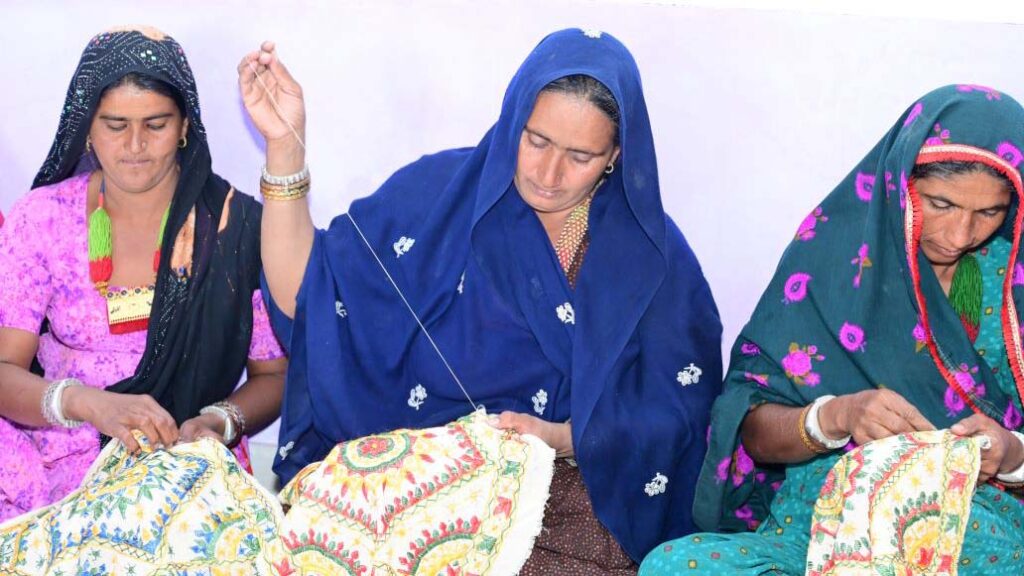
AHVY aims at promoting Indian handicrafts by developing artisan’s clusters into professionally managed and self-reliant community enterprise on the principles of affective member Participation and mutual cooperation. The thrust of the scheme is on a projected need based integrated approach for craft persons landing their empowerment.
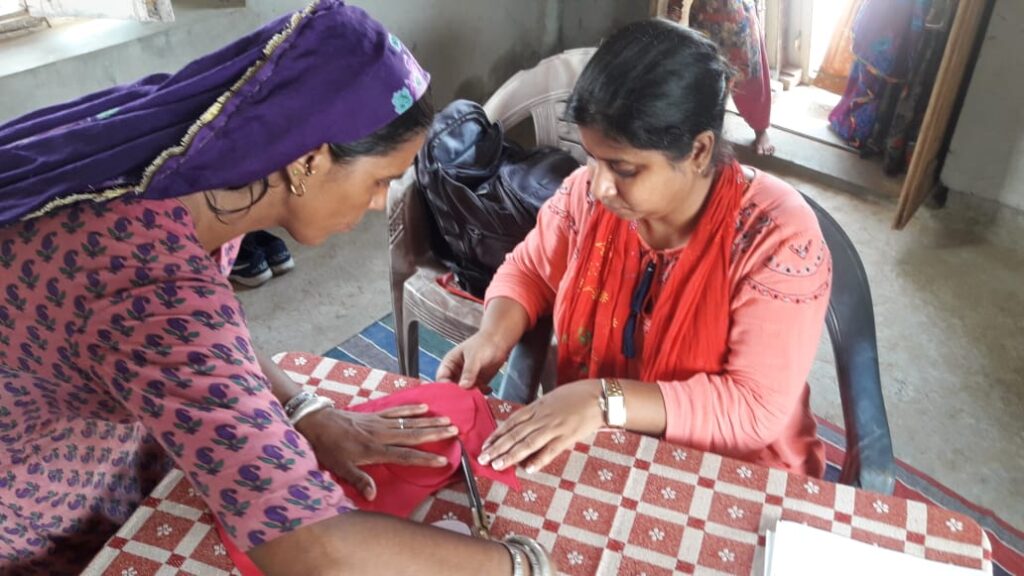
Main Objectives of the Scheme
- To organize artisans cluster into Self Help Groups (SHGs) or cooperative societies with a view to enabling them to take up economic activity for sustainable development through a collective mode.
- To empower artisans by making the active entrepreneurs cum primary stake holders in the process of development and bringing them to a visible platform for easy access to domestic and overseas markets.
- To upgrade artisan’s skill through appropriate design and technology intervention to enable them to use quality raw material, tools and equipment to produce value added items.
- To provide adequate infrastructure support for improved quality and productivity and to enable artisans access to a larger market segments, both domestic & international.
- To ensure effective collective participation of all members involved in production and marketing process for optimal growth in human resources, production, business and income.
Socio-economic and Working Conditions of the Artisans
Most of the artisans are from rural areas. Their socio-economic is low as there are rare opportunities for the employment sources. The people of the area are depending on agriculture, livestock, labour work, production of handicrafts work, etc. Due to low rainfall in the area, agriculture and livestock both are becoming very difficult day by day.
Income Level of the Cluster Artisans
Source of income for the people of the area is agriculture, livestock, labour work, production of handicrafts work etc. Following recurring droughts and low rainfall in the area, livestock and agriculture production is decreasing. People have no options other than labour work and handicrafts work.
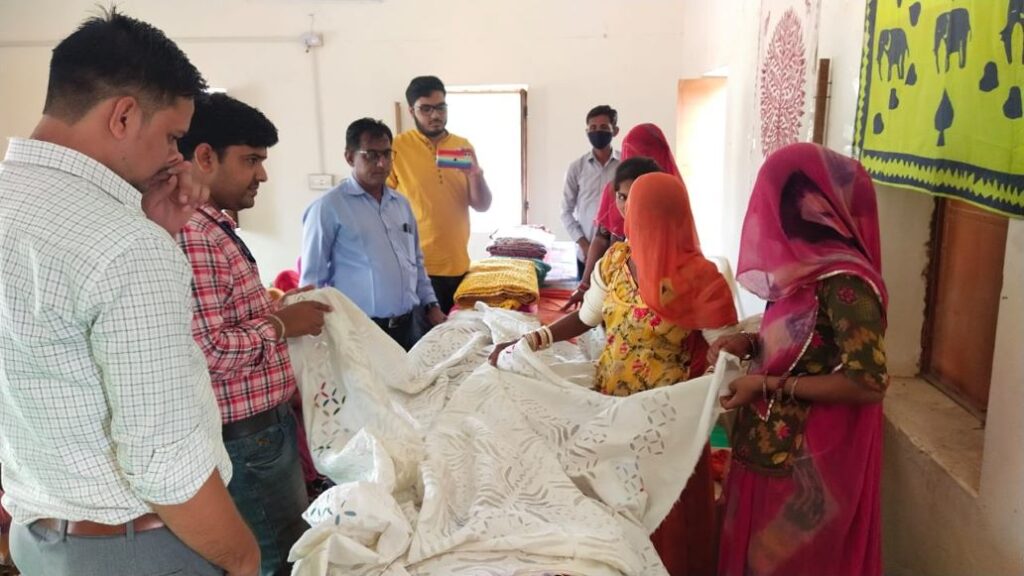
The artisans of the area are expert in handicrafts and their products are of high quality but due to lack of proper marketing opportunities, they are not getting the real cost of their products. The middlemen and local merchants buy their products at low rate and sell with large margin to get higher profit.
After our intervention, the artisans are trained on sales and marketing opportunities. Now the artisans are selling their products directly to the buyers in exhibitions, fairs and some of the artisans are selling their products online. Income level of the cluster artisans is now started to increase.